

Operating facilities in Alaska presents many unique challenges. Harsh weather, remote locations, and rugged terrain combine with the everyday demands of industrial and commercial operations. Whether you’re managing a remote mill, a large commercial building in Juneau, or an industrial site in Southeast Alaska, keeping your electrical distribution systems in top shape is essential for safety and reliability.
Electrical distribution equipment includes the panels, breakers, transformers, conduit, and related assets that deliver power safely throughout your facility. When this equipment fails it can disrupt operations, create unsafe conditions, and lead to costly downtime. That is why preventative maintenance including regular inspection, service, and upkeep matters for every facility, especially in our demanding environments.
Why Preventative Maintenance Matters
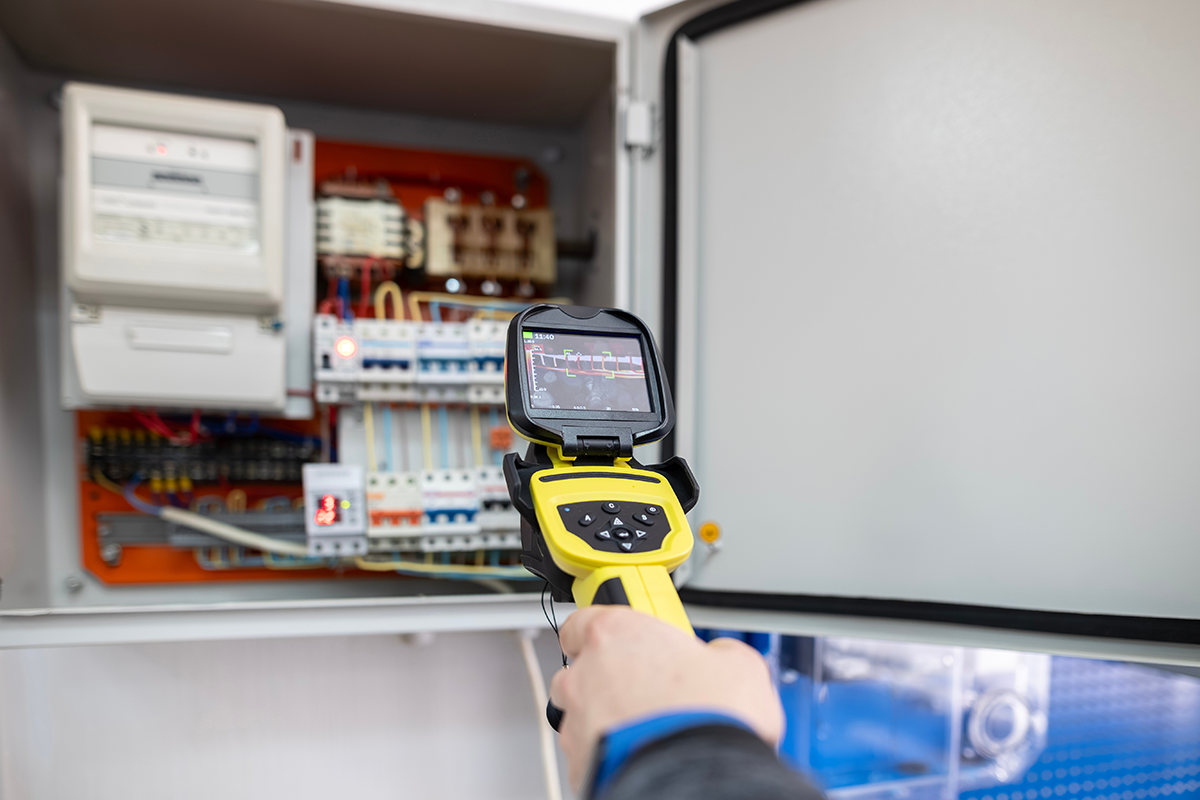
Preventative maintenance means inspecting and servicing electrical distribution equipment on a regular schedule rather than waiting for failures to occur. If electrical systems only get attention when something breaks, you risk unexpected outages and greater repair costs. Industry research shows that more than two-thirds of electrical system failures can be prevented with a routine maintenance program.
A structured preventative maintenance plan helps facilities:
- Detect wear or overheating before failures happen
- Ensure components like circuit breakers and fuses are functioning correctly
- Maintain proper grounding and bonding to protect personnel and equipment
- Reduce the likelihood of emergency service calls and unplanned downtime
For facilities in Juneau, where weather can accelerate corrosion and stress on outdoor equipment, regular maintenance is even more critical.
Key Components of Electrical Distribution Systems
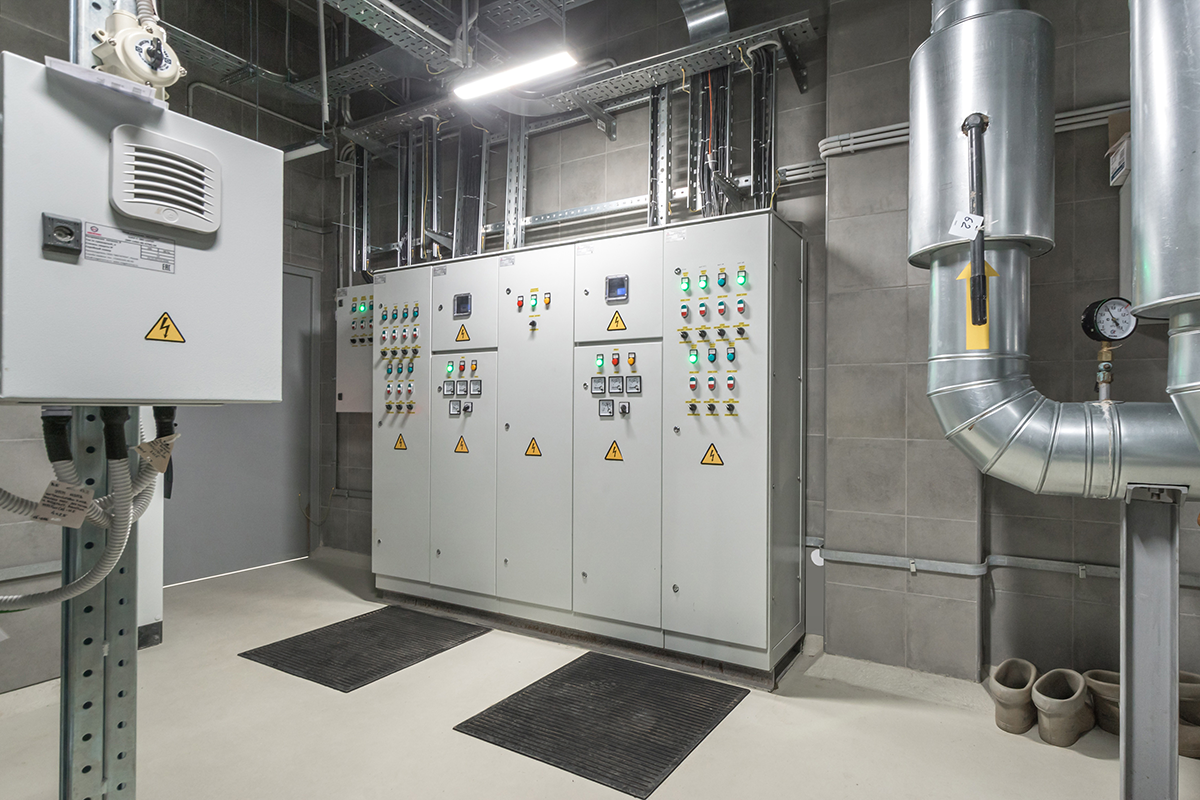
To understand maintenance requirements, it helps to know the major parts of a distribution system. Facilities typically have:
- Main Distribution Panels and Subpanels that distribute power internally
- Circuit Breakers and Protection Devices that safeguard against overloads
- Transformers and Switchgear that manage voltage and power flow
- Wiring, Conduits, and Busbars that carry electricity throughout the building
- Grounding Systems that protect against shock and electrical faults
- Protective Devices and Surge Protectors to guard sensitive loads
Inspecting and maintaining each of these elements helps ensure the overall system remains reliable and code-compliant.
What Preventative Maintenance Entails
A comprehensive preventative maintenance program combines inspection, testing, cleaning, and service. Typical tasks include the following:
Visual Inspections
Regular visual checks can identify obvious issues early. This includes looking for signs of overheating such as discoloration or melted insulation, loose connections, and corrosion on components. A visual inspection also ensures labels, covers, and safety signage are intact and clear.
Electrical Panel Checks
Panels and switchboards benefit from cleaning and tightening of connections. Loose lugs can cause overheating and increase the risk of failure. Dust and debris should be removed to prevent arcing and improve ventilation. Panels should be sealed correctly to prevent moisture intrusion.
Circuit Breaker Testing
Circuit breakers protect wiring and equipment from overloads. Testing and “exercising” breakers ensures they trip as designed and that contacts are not pitted or worn. Maintenance may also include testing protective relays and replacing worn components.
Grounding and Bonding Inspection
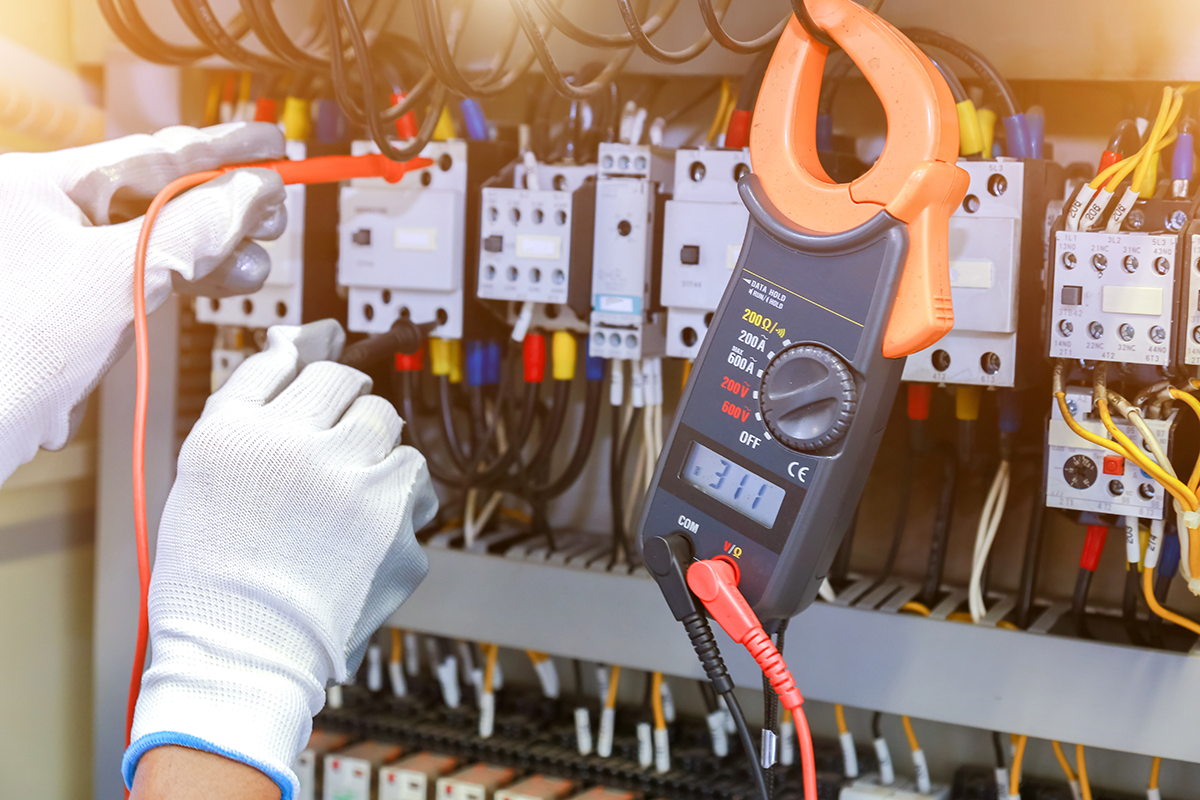
Grounding systems protect equipment and people. Inspecting ground rods, bonding connections, and related hardware confirms that electrical pathways are secure and effective. Poor grounding increases shock risks and can interfere with sensitive electronics.
Surge Protection Evaluation
Lightning, motor starts, and switching events can cause power surges. Inspecting surge protection devices and replacing damaged units helps facilities manage voltage fluctuations and protect valuable equipment.
Documentation & Scheduling
Keeping detailed records of inspections, maintenance tasks, and service outcomes supports compliance and future planning. Scheduling maintenance at appropriate intervals, monthly, quarterly, or annually depending on equipment and usage, creates a predictable rhythm that reduces surprises.
Industry guidelines like NFPA 70B (Standard for Electrical Equipment Maintenance) outline best practices and intervals for inspections and testing to maximize safety and reliability.
Benefits of Preventative Maintenance
Facilities that adopt a preventative maintenance plan gain many benefits:
Enhanced Safety
Regular maintenance identifies hazards before they result in shock, arc flash, or fire. Working with licensed professionals ensures adherence to safety codes and reduces the risk of accidents.
Improved System Reliability
Maintenance reduces the chances of unexpected outages. Breakers that trip reliably, grounded equipment that is secure, and clean panels all contribute to consistent power distribution.
Lower Long-Term Costs
Catching small issues early prevents larger failures that require expensive repairs or replacement parts. Facilities can also plan maintenance work during scheduled downtimes rather than in emergency situations when costs may be higher.

Compliance with Standards
Following recognized standards and documentation practices helps facilities demonstrate compliance with safety and electrical codes, which is particularly important in industrial or commercial environments.
Special Considerations for Southeast Alaska Facilities
SE Alaska’s harsh climate presents additional challenges for electrical systems. Moisture, salt air near coastal areas, freeze-thaw cycles, and long periods of cold can all contribute to system stress. Electrical equipment exposed to these conditions requires more frequent attention than in milder climates.
Remote facilities present logistical challenges for maintenance work. Planning, inspection schedules, and stocking of replacement parts help reduce delays when a service call is required. Partnering with experienced electrical contractors who understand our environmental conditions ensures that maintenance programs are realistic, effective, and resilient.
Implementing a Preventative Maintenance Program
Creating and executing a preventative maintenance program involves several steps:
- Initial Assessment
Begin with a comprehensive inspection of all distribution system components to understand current conditions. This assessment establishes a baseline. - Prioritize Tasks
Not all equipment failures are equally impactful. Prioritize systems and components that are critical to operations and safety. - Develop a Schedule
Use manufacturer recommendations and industry standards to set inspection intervals. Facilities located in harsher environments may require more frequent checks.
- Train Personnel
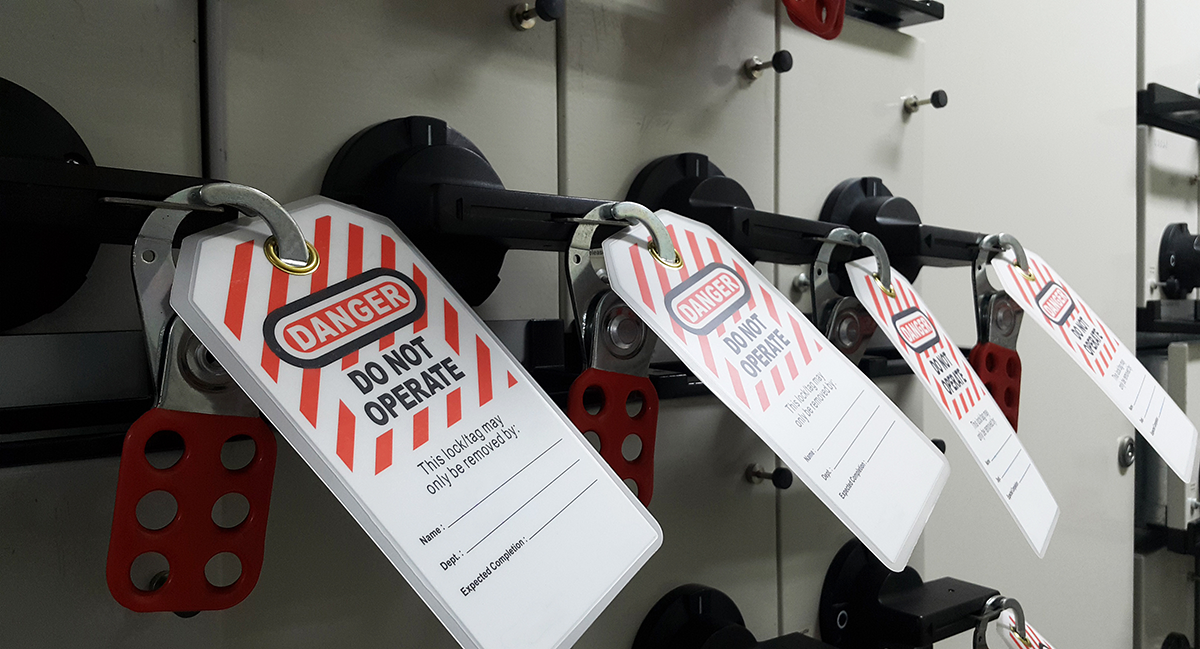
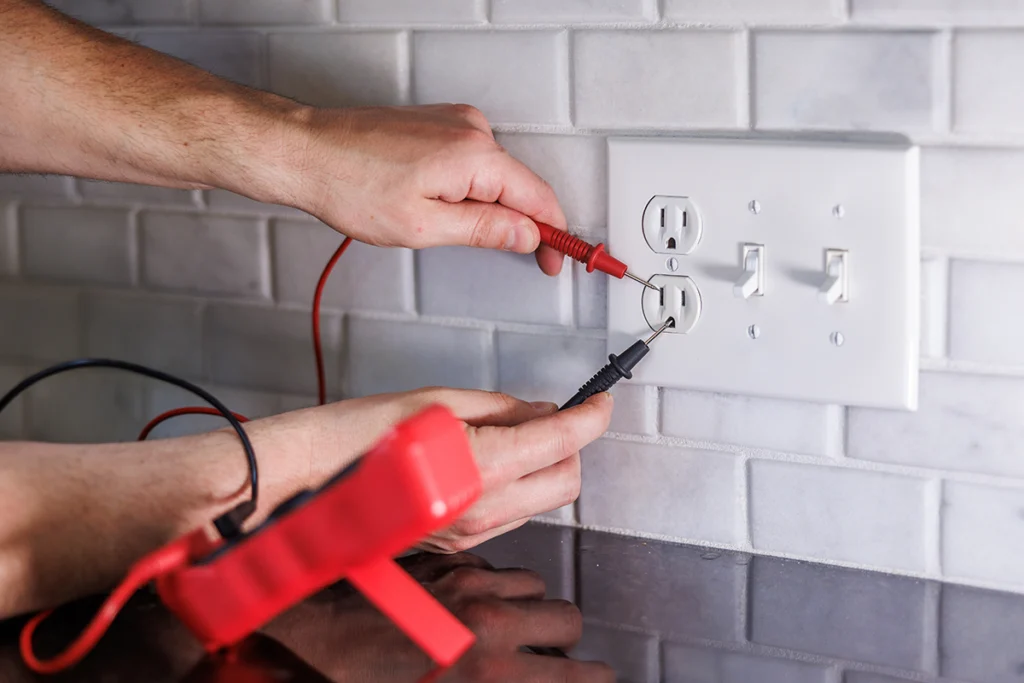
Facility managers and technicians should understand inspection procedures, safety protocols like lockout-tagout, and documentation requirements. - Partner with Pros
Working with licensed electrical professionals ensures that inspections and service align with codes and safety practices. Professionals bring specialized tools and diagnostic expertise that elevate the quality of maintenance.
Professional Electrical Maintenance Services
Our team of highly skilled electricians offers reliable electrical installation, inspection, service, and preventative maintenance for residential, commercial, and industrial clients throughout Southeast Alaska. We are accustomed to local conditions and deliver safe, dependable solutions that keep electrical systems performing as expected.
Regular servicing ensures that preventative maintenance is thorough and compliant with industry standards. Electrical contractors can tighten connections, test and calibrate equipment, inspect protective devices, and recommend replacements before small issues become major concerns.
Essential for Safety, Reliability, and Long-Term Performance

Facilities in SE Alaska’s demanding environments benefit from structured inspection and service plans that catch issues early, reduce unexpected failures, and support operations year-round. By understanding the components of a distribution system, creating a regular maintenance schedule, and partnering with Valley Electric, facilities protect both their people and their assets.
If you are responsible for electrical systems in Southeast Alaska and want to strengthen your preventative maintenance practices, contact Valley Electric for expert guidance and dependable service that keeps your power distribution infrastructure in peak condition.