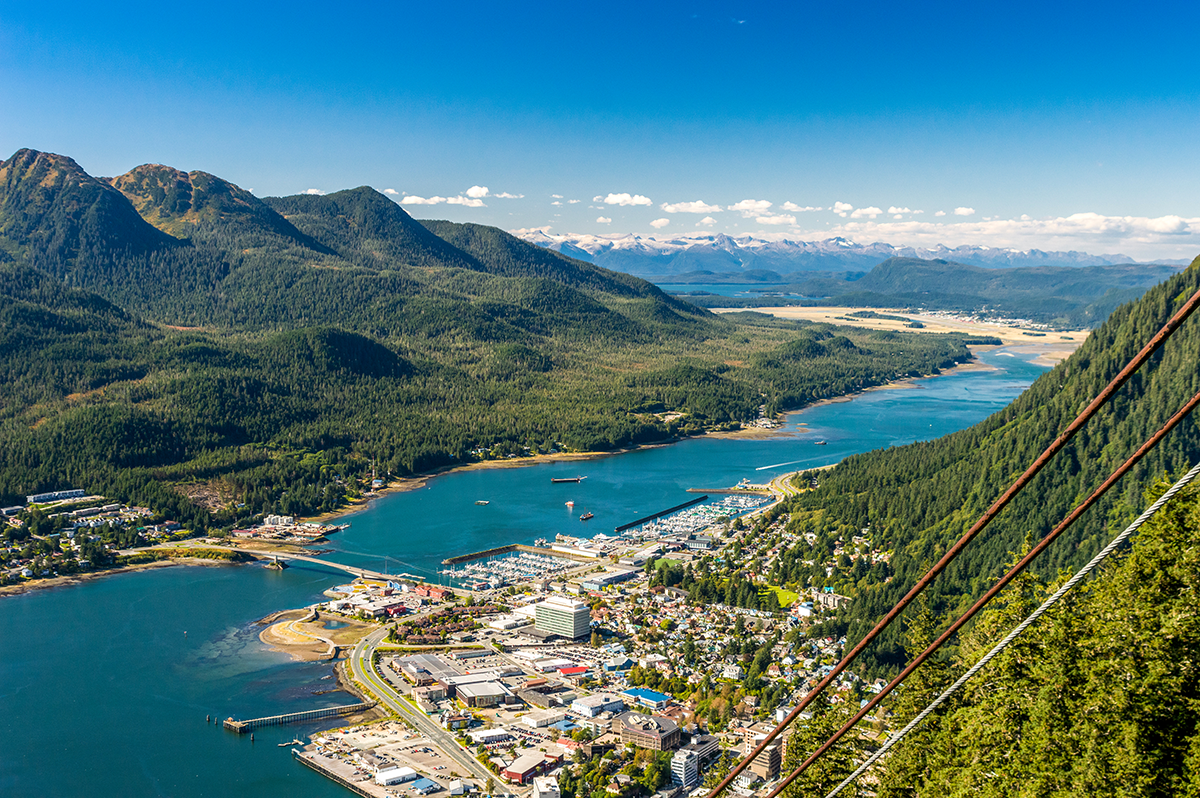
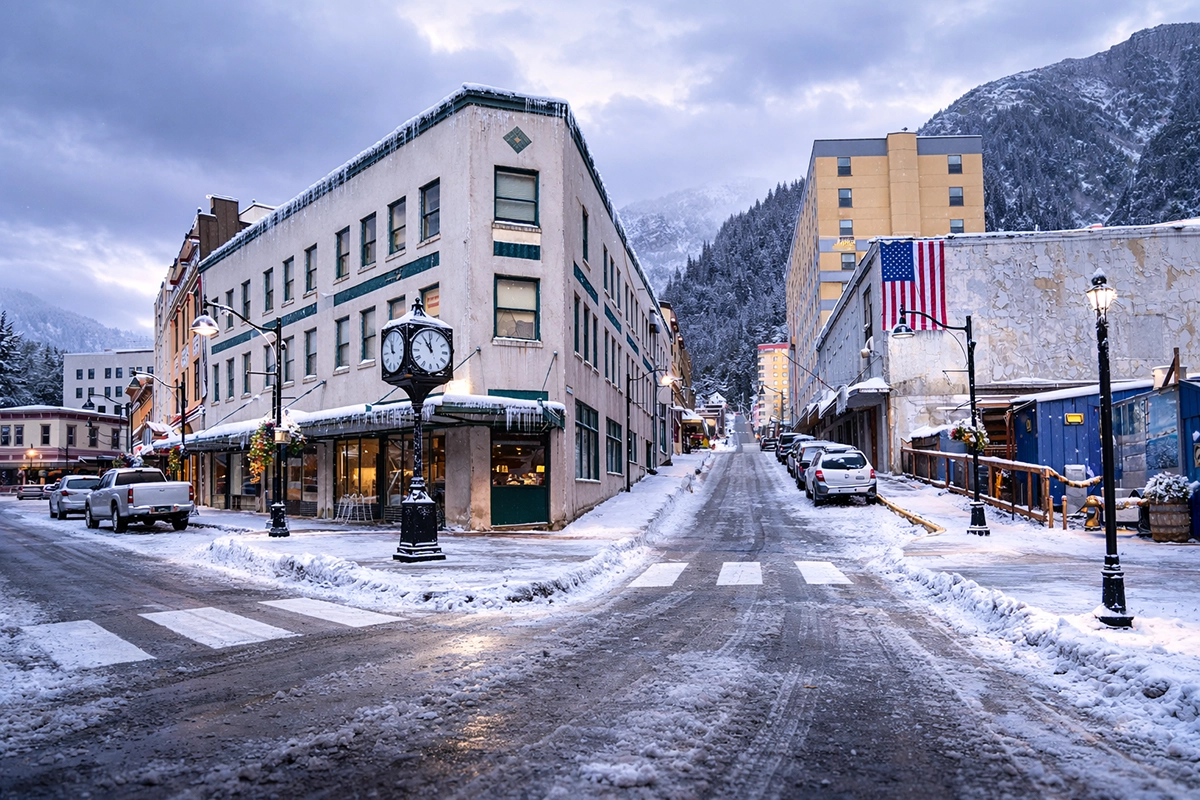
Winter across Southeast Alaska brings heavy snow, coastal rain, freezing temperatures, and powerful storms. From Juneau and Ketchikan to Sitka and the surrounding communities, these conditions put serious strain on electrical systems in both homes and commercial properties.
For homeowners, winter electrical issues can mean safety concerns, heating failures, or expensive repairs.
For businesses, they can lead to downtime, damaged equipment, lost revenue, and disruption for customers
and staff.
The good news is that most winter electrical hazards are preventable with routine inspections, smart
upgrades, and proactive maintenance. Below are the top five winter electrical risks in Southeast Alaska,
along with practical solutions for both residential and commercial properties.
1. Moisture Intrusion & Corrosion
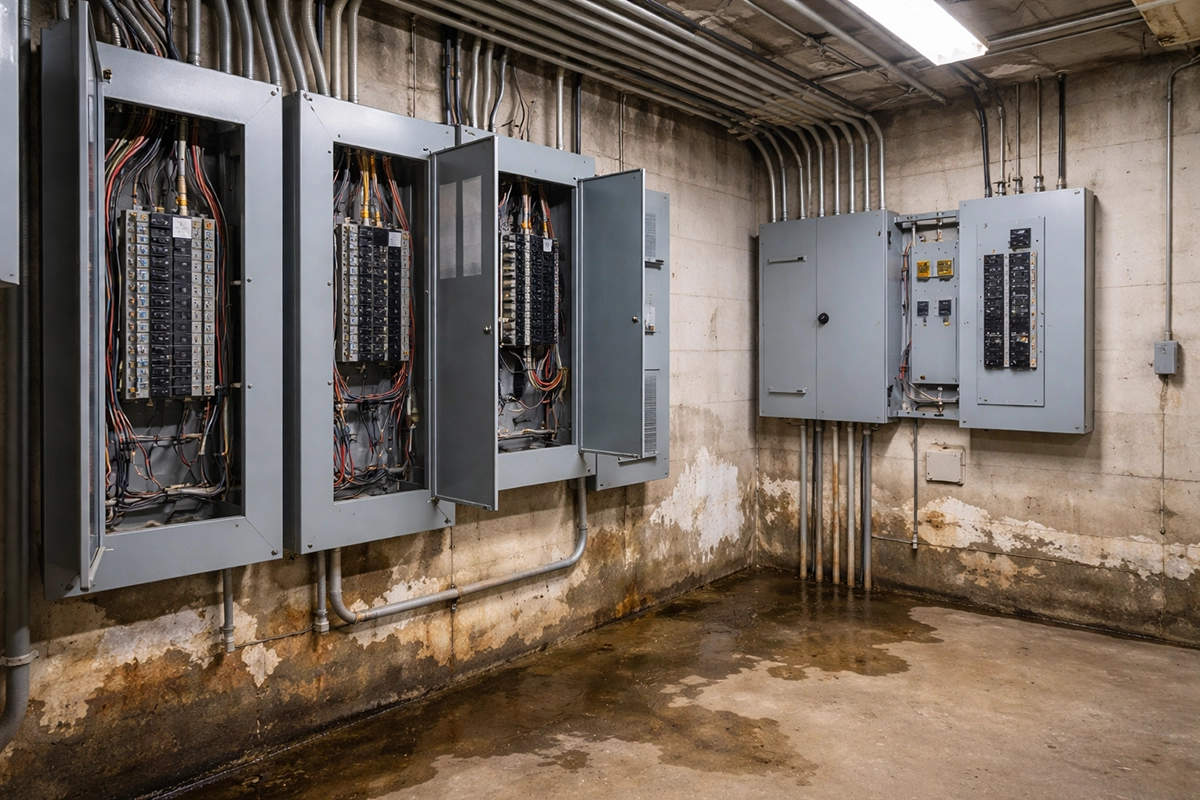
Southeast Alaska’s winter climate is defined by snow, ice, and persistent coastal moisture. When water works its way into electrical panels, conduit, outlets, or connections, corrosion begins. Over time, corrosion
increases resistance, reduces efficiency, and can cause overheating or system failure.
This is common in:
Residential properties
• Exterior outlets and light fixtures
• Garage and crawl space wiring
• Service panels exposed to damp conditions
• Older homes with aging seals
Commercial properties
• Exterior disconnects and service entrances
• Parking lot lighting and signage
• Electrical rooms below grade
• Rooftop equipment exposed to wind-driven rain
How to prevent it
✓ Ensure outdoor components are rated for wet or damp locations
✓ Replace cracked conduit fittings and deteriorated seals
✓ Install weatherproof covers on exterior outlets
✓ Schedule seasonal inspections before and during winter
✓ Upgrade outdated panels that lack modern moisture protection
Addressing moisture early helps extend the life of your electrical system and prevent unexpected failures.
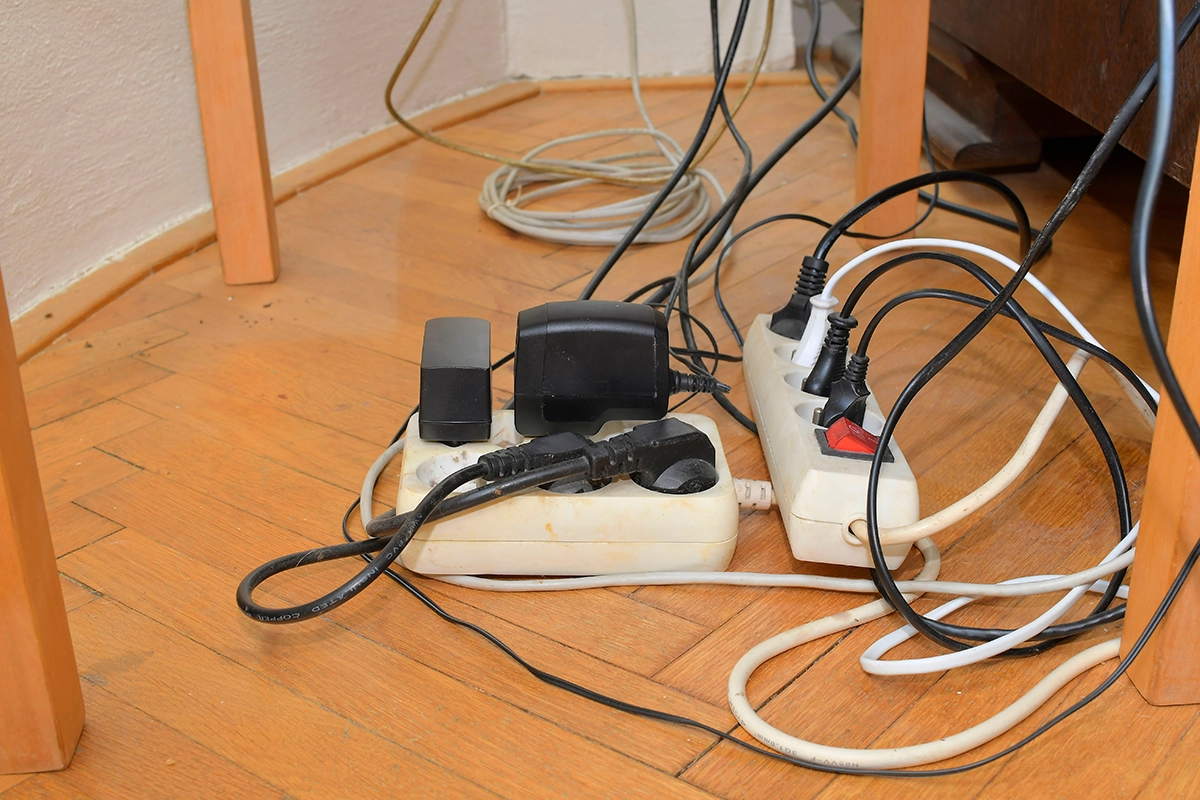
2. Overloaded Circuits During Peak Winter Demand
Cold weather significantly increases electrical demand across Southeast Alaska. Homes rely on heat pumps, space heaters, and electric heating systems. Businesses add extended lighting hours, snow melt systems, and additional equipment. When circuits exceed their capacity, the result can be tripped breakers, overheated wiring, or damaged equipment.
Warning signs
• Frequent breaker trips
• Flickering or dimming lights
• Warm outlets or switch plates
• Buzzing sounds from the panel
Residential prevention
✓ Avoid running multiple high-load appliances on the same circuit
✓ Never use extension cords as permanent solutions
✓ Add dedicated circuits for large appliances
✓ Upgrade panels if capacity is limited
Commercial prevention
✓ Schedule a professional load analysis
✓ Install dedicated circuits for high-demand systems
✓ Upgrade electrical panels where needed
✓ Invest in energy-efficient lighting and equipment
Managing electrical load properly helps both families and businesses stay safe and powered through the
coldest months.
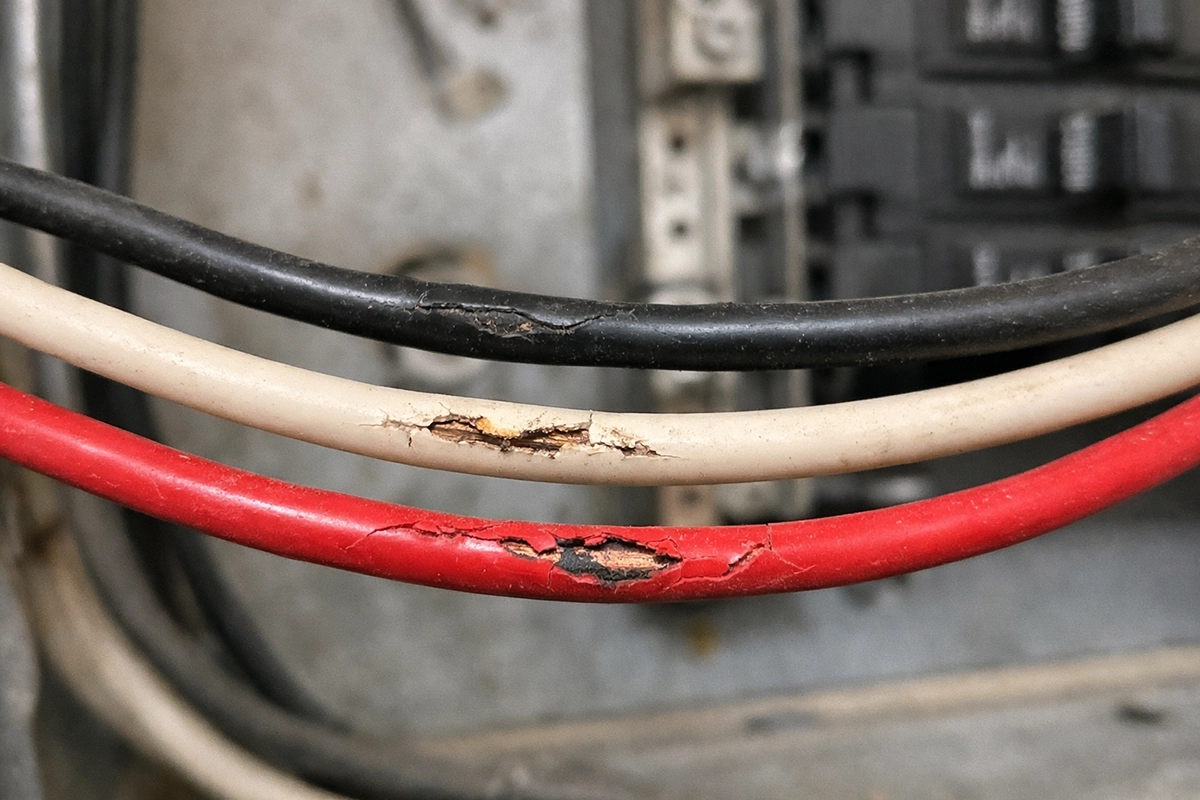
3. Aging Wiring & Insulation Failure in Cold Temperatures
Older wiring becomes brittle over time. In freezing conditions, insulation can crack, shrink, or deteriorate
further, leaving conductors exposed. This significantly increases the risk of short circuits and electrical fires.
This issue is common in:
Homes
• Older houses with original wiring
• Unheated crawl spaces or attics
• Cabins and seasonal properties
Commercial buildings
• Aging facilities
• Mechanical rooms with temperature swings
• Buildings with outdated wiring methods
How to prevent it
✓ Schedule regular electrical inspections
✓ Replace deteriorated or outdated wiring
✓ Upgrade to modern materials rated for cold climates
✓ Ensure electrical rooms and critical areas remain dry and properly heated
Upgrading aging infrastructure improves safety and reliability across residential and commercial properties alike.
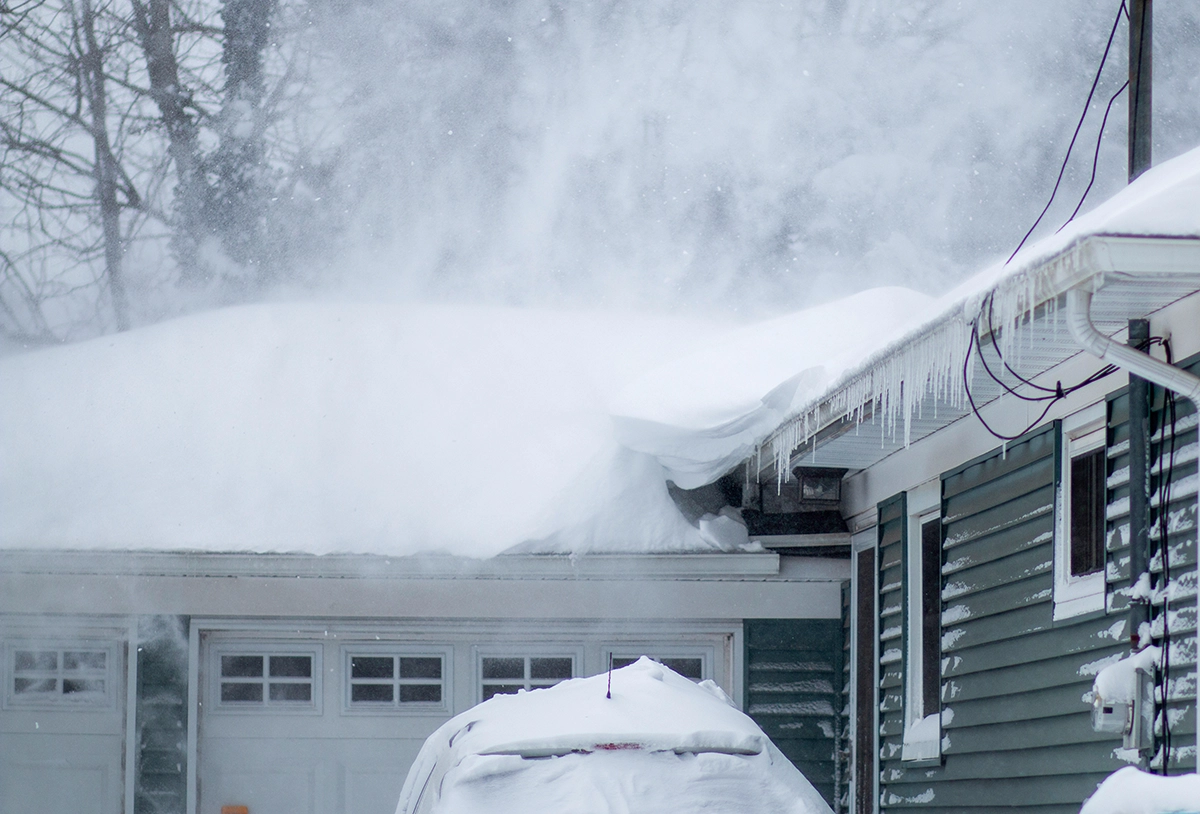
4. Ice, Snow Load, and Physical Damage
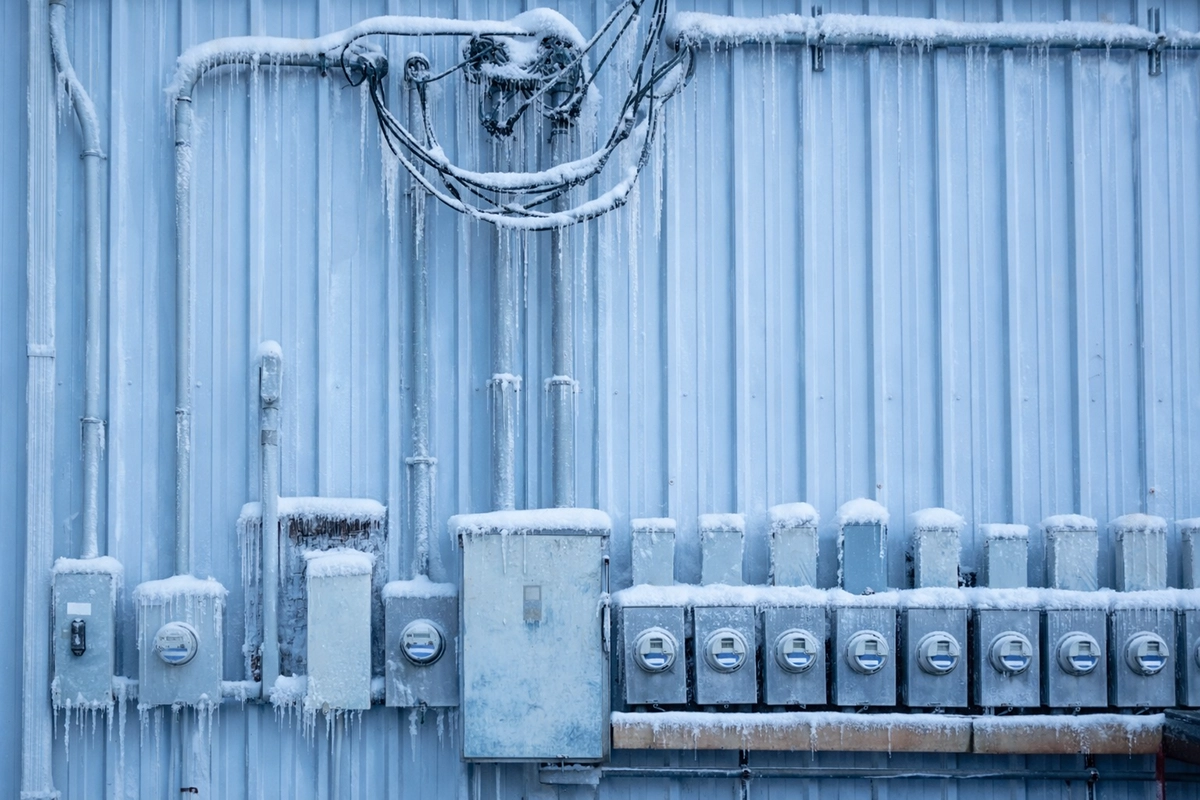
Heavy snow and ice can place physical stress on exterior electrical components. Freeze thaw cycles cause expansion and contraction, which can crack conduit, shift connections, or damage service lines.
Common problem areas include:
• Overhead service entrances
• Exterior conduit runs
• Rooftop equipment
• Residential meter bases
• Commercial parking lot lighting and signage
Prevention steps
✓ Inspect exterior electrical systems before winter
✓ Secure conduit and service lines properly
✓ Remove snow and ice buildup carefully
✓ Install protective barriers around vulnerable equipment
✓ Repair minor damage immediately
Physical damage can interrupt power and create serious safety risks. Preventive attention keeps systems
stable during Southeast Alaska’s harshest weather.
5. Power Outages & Inadequate Backup Systems
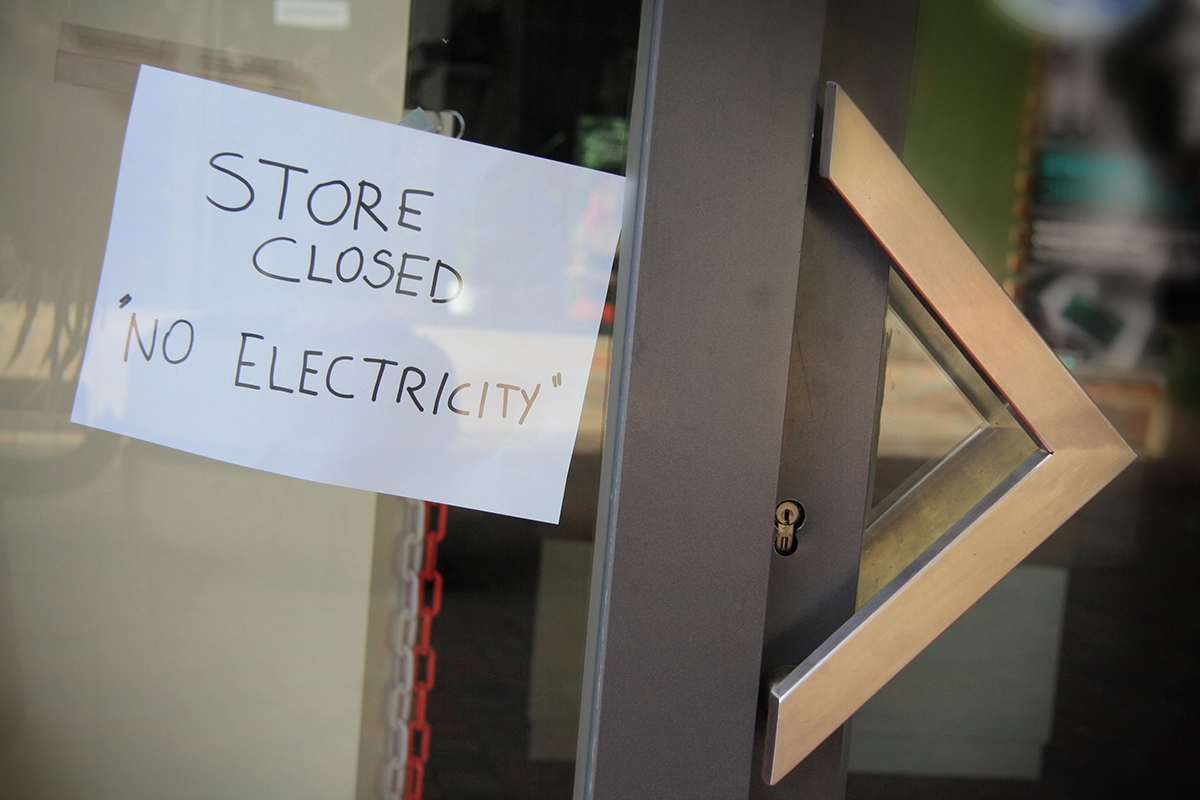
Winter storms regularly impact communities across Southeast Alaska. Even short outages can disrupt daily life and business operations.
Residential impacts
• Loss of heating
• Frozen pipes
• Spoiled food
• Limited communication
Commercial impacts
• Lost revenue
• Downtime for point-of-sale systems
• Security system failure
• Refrigeration loss
• IT and communication disruption
Prevention & preparedness
✓ Install properly sized backup generators
✓ Ensure transfer switches are professionally installed
✓ Test backup systems before major storms
✓ Prioritize critical circuits
✓ Develop an outage response plan
Reliable backup power provides peace of mind for homeowners and operational security for businesses.
Why Winter Electrical Maintenance Matters in Southeast Alaska
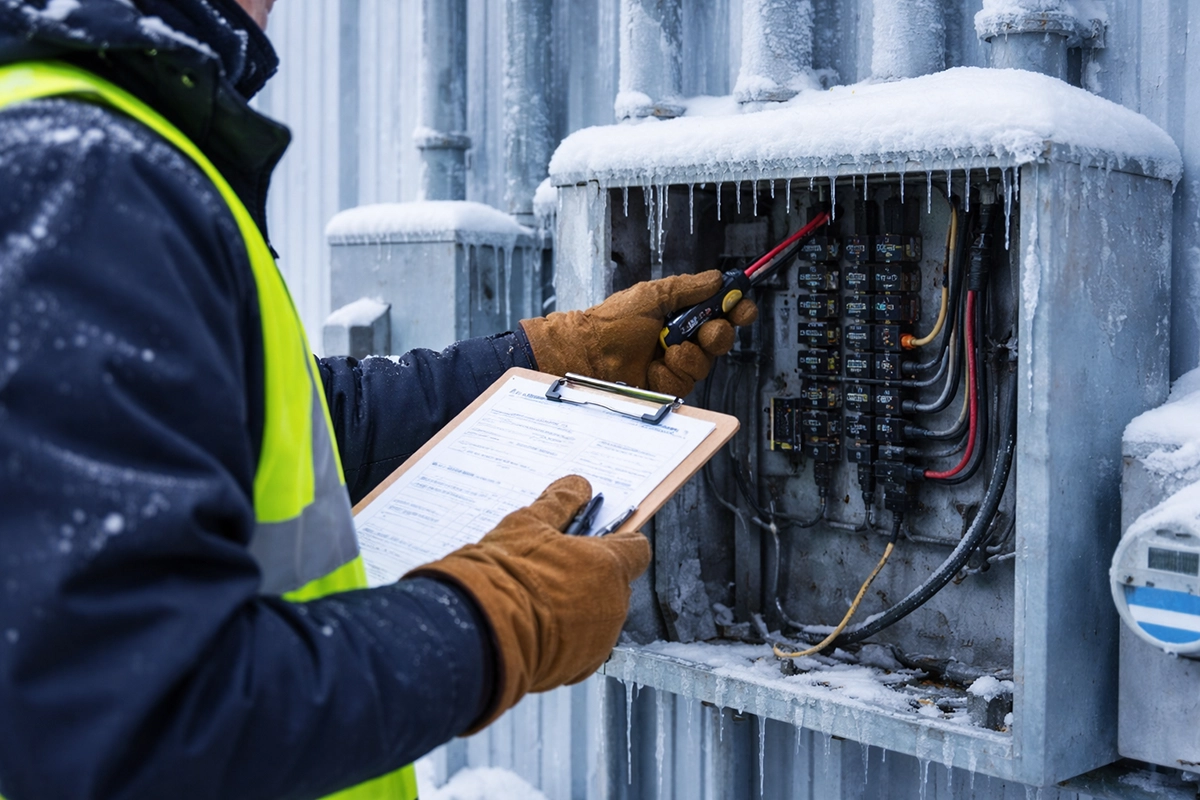
For residential and commercial properties, proactive maintenance offers:
✓ Improved safety
✓ Reduced risk of winter outages
✓ Longer equipment lifespan
✓ Greater energy efficiency
✓ Lower long term repair costs
Preparing your electrical system before severe weather arrives is one of the smartest investments you can
make.
Work With a Local Electrical Professional
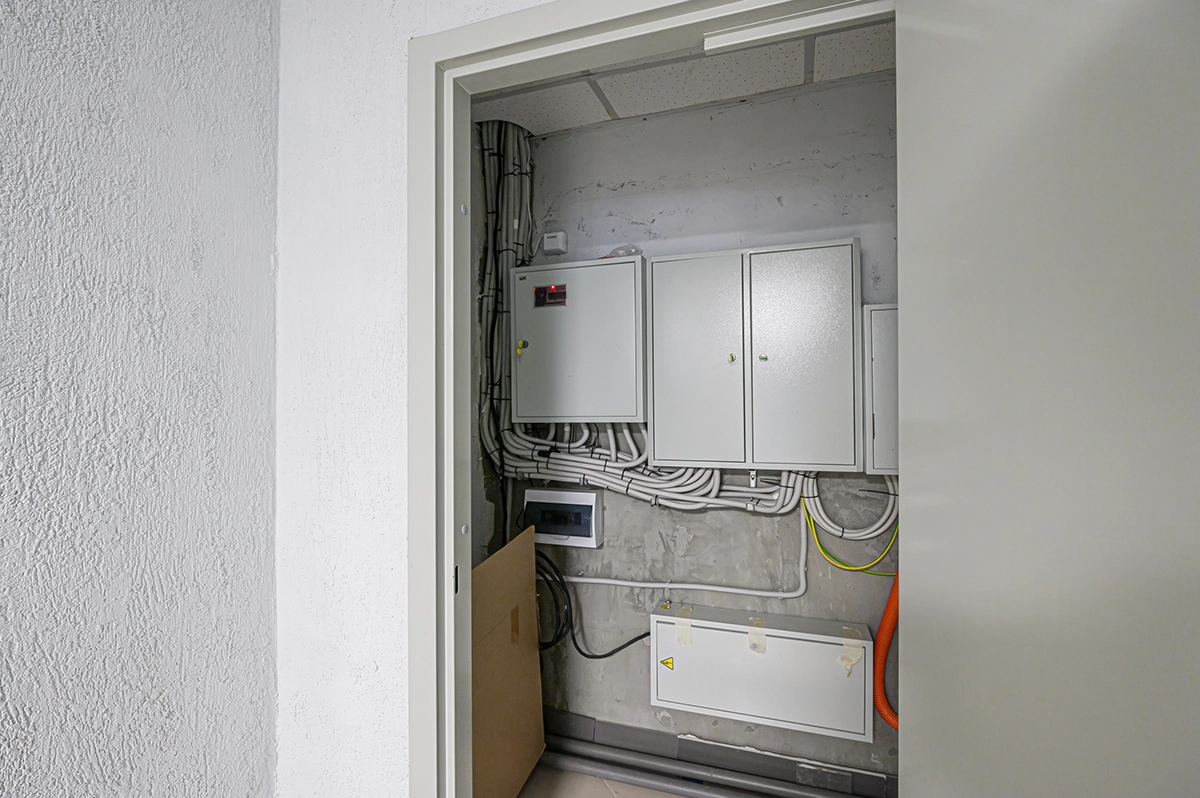
When dealing with Southeast Alaska’s coastal moisture, heavy snow, and freezing temperatures,
working with an experienced local electrical contractor can ensure your system is designed and
maintained for the region’s conditions.
Valley Electric provides professional electrical services throughout Southeast Alaska for both
residential and commercial properties. From inspections and upgrades to preventative maintenance
and emergency support, our team helps keep homes and businesses powered, safe, and prepared all
winter long.
If your property has not had a recent electrical inspection, now is the time to schedule one.
Contact us today
and make sure you are ready for whatever winter brings.